
Understanding an ACL Injury: Causes, Symptoms, and Risk Factors
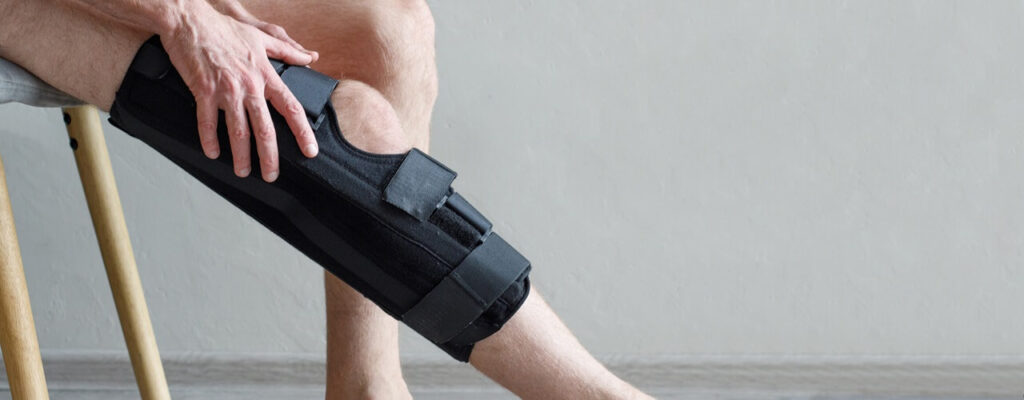
What do soccer, basketball, and football players have in common? To be fair, probably quite a bit, but one commonality is that all three sports have a high incidence of ACL tears. If you’re an athlete of any stripe, it’s a good idea to familiarize yourself with ACL injury causes and symptoms.
The ACL (anterior cruciate ligament) is a band of tough, flexible tissue in your knee. It connects the thigh and shin bones and stabilizes the knee joint.
Treatment for an ACL tear depends on its severity. At Sievers Sports Medicine, we help athletes of all ages recover and rehabilitate from ACL tears–but we can also help minimize the chances of you experiencing one in the first place.
Keep reading to learn more about ACL injury causes and symptoms.
ACL Injury Causes and Risk Factors
There are several ways an athlete can damage their ACL. It usually stems from rapid changes in movement, such as the following:
- Sudden pivots or directional changes
- Suddenly stopping or slowing down too quickly while running
- Landing awkwardly during a jump
- Direct collisions (such as in football)
Certain factors can increase your chances of an ACL tear. One of the biggest is gender–women are significantly more likely than men to have one. Certain sports are also more likely to cause an ACL injury.
There are also a few factors that are under your control. Inadequate muscular conditioning, faulty movement patterns, and improper shoes or equipment can all increase the risk of an ACL tear.
ACL Injury Symptoms
Doctors categorize ACL Injuries into three categories depending on severity. Your symptoms will vary depending on how badly you damaged your ACL:
Mild tears occur when the ligament overstretches. You’ll experience some pain or tenderness and minor swelling, but the knee joint won’t feel unstable. You can generally resolve these injuries without surgery.
Moderate tears occur when the ligament fibers only partially tear. Your symptoms will be a bit more intense: more pain, more swelling, and a slight sense of instability or weakness in the joint. You may still be able to avoid surgery, depending on various factors.
Severe tears occur when the ligament ruptures completely. You’ll generally know immediately if you’ve experienced a severe tear, as you will feel intense instability in your knee and have trouble walking on it. Many people also hear “pop” when the injury occurs. That said, the pain may not be as intense as expected–but this is still a serious injury that will likely require surgery to repair.
How We Help Address ACL Injuries
Understanding ACL injury causes and symptoms isn’t only the first step. Sievers Sports Medicine can help you both manage and prevent ACL Injuries in several ways:
- We offer same-day urgent care services, including X-ray imaging and splinting, to provide acute treatment immediately after your injury.
- Our sports medicine services can help you safely recover from mild ACL tears or prepare for surgical intervention. This includes our ultrasound-guided injections, which can help facilitate recovery and manage knee pain.
- Finally, we offer dedicated ACL injury prevention services to help you prevent ACL tears from occurring at all! We’ll guide you through targeted conditioning exercises and motor control drills to ensure you’re in top shape for your sport.
If you’re a Portales athlete–especially if you play basketball, soccer, football, or another ACL-injury-prone sport–request an appointment at Sievers Sports Medicine today! We’ll evaluate your ACL injury risk and provide custom treatment techniques to help you stay safe when you’re in the game.