
Treatment Spotlight: Percutaneous Needle Tenotomy
We recently worked with a patient who had been dealing with elbow pain for months. Rest didn’t solve the problem. Cortisone shots helped for a while, but the pain always came back. By the time he visited Sievers Sports Medicine, he had nearly given up on finding relief.
It wasn’t until he tried percutaneous needle tenotomy (PNT) that he finally found a lasting solution to his elbow pain.
PNT might have a serious-sounding name, but it’s actually a minimally invasive procedure that helps manage long-term tendon injuries by breaking down damaged tissue and stimulating your body’s natural healing processes. In the case of our recent patient, he had developed pain due to inflammation in his elbow’s tendon due to overuse, and PNT helped him resolve the injury.
PNT is a highly effective treatment, but we’ve found that many of our patients know little about it. To fix that, we’re answering some of the most frequently asked questions about PNT and how we use it at our clinic.
Lunchtime in a ’40 Ford: Patient Surprises Dr. Sievers with a Joyride to Remember
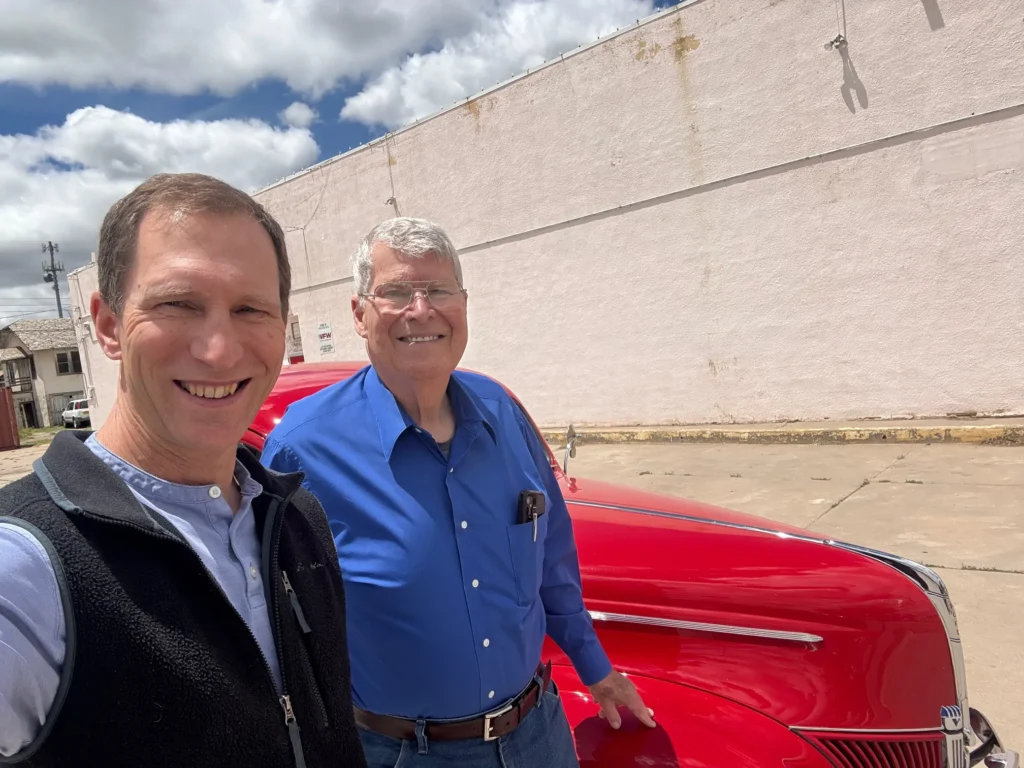
Dr. Sievers had a fun surprise this week when a patient—knowing he’s a car enthusiast—invited him for a lunchtime ride in his 1940 Ford Hotrod. The photo doesn’t quite capture how cool the car was, but the experience definitely made his day! Just one of the many reasons we love building real connections with patients.
1. How does PNT work?
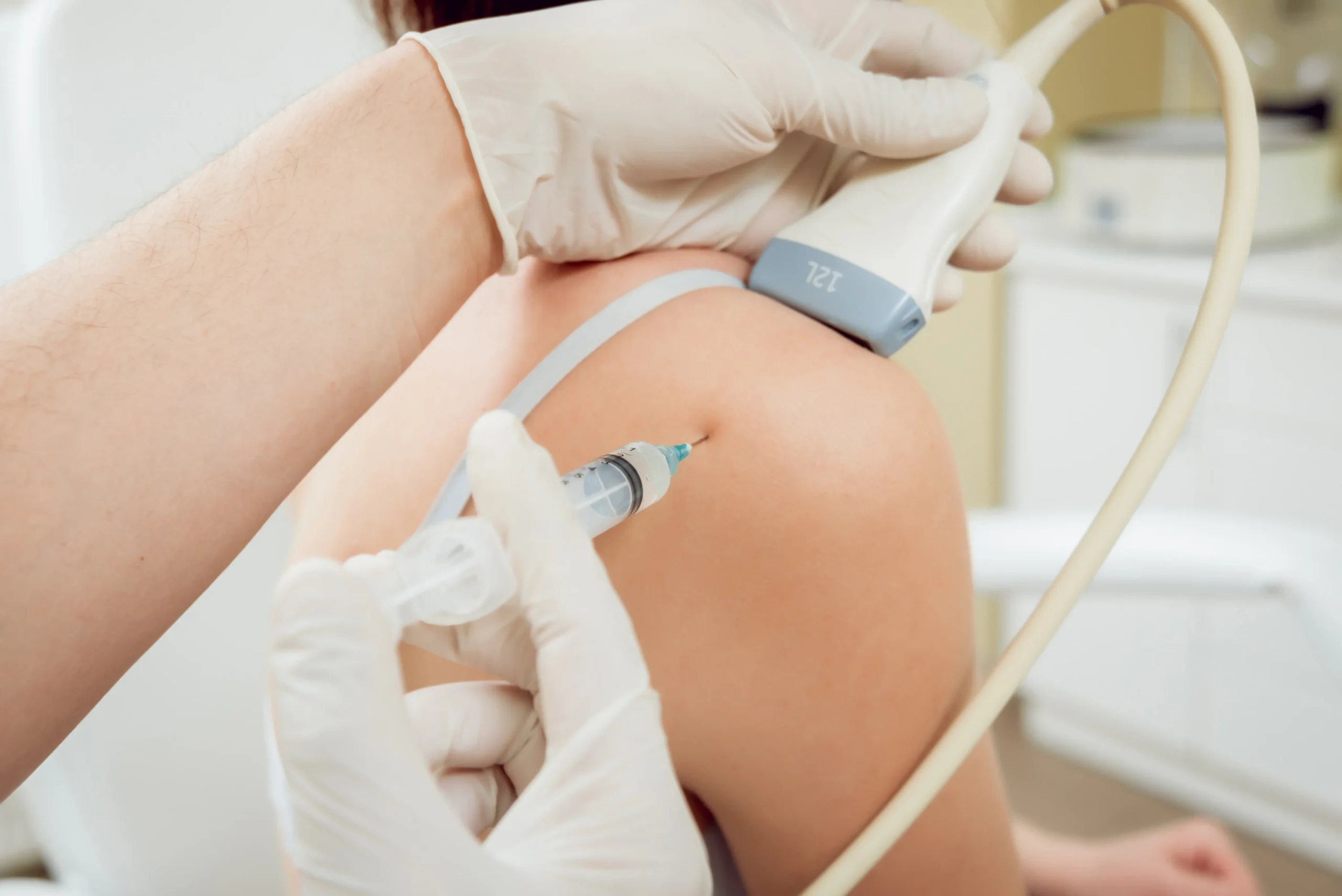
PNT is a simple procedure that involves using a thin needle to create small holes in a damaged tendon. While this might sound counterintuitive, it helps restart the tendons’ stalled healing process by breaking up unhealed tissue and encouraging new tissue growth.
2. What Are the Benefits of PNT?
PNT offers several advantages, especially compared to more invasive treatment options such as surgery:
- The procedure is minimally invasive.
- We perform it in our clinic with no general anesthesia or prolonged downtime.
- It promotes natural tissue repair, meaning it actually resolves the source of your pain (rather than just masking it, as pain medication would).
- It has a high success rate for chronic tendon pain.
3. What conditions can PNT help with?
We recommend PNT for chronic tendon injuries that haven’t responded to typical care. Some of the conditions that respond well to PNT include the following:
- Tennis elbow
- Golfer’s elbow
- Jumper’s knee
- Rotator cuff tendinopathy
- Achilles tendinosis
- Plantar fasciitis
4. What can I expect during my PNT sessions?
Most sessions last around thirty minutes. Depending on your needs, multiple sessions may be necessary for the most effective treatment. During each session, we’ll…
- Numb the affected area with local anesthesia.
- Use ultrasound technology to locate the damaged tissue and guide the insertion of a thin needle into the tendon.
- Move the needle back and forth to break down scar tissue and stimulate blood flow, jumpstarting healing in the damaged area.
Risks are low, and minor swelling or soreness at the treatment site may occur. These side effects typically resolve in a few days. Most patients return to normal activity in 1 to 2 weeks, and our team will provide guidance on how to make the most of your PNT treatment.
5. How effective is PNT?
Studies show that PNT provides lasting relief for many patients, who report reduced pain and improved function after just one procedure. The effects tend to improve over several weeks as new tissue forms.
Outcomes are best when PNT is paired with rehabilitation, as strengthening the surrounding muscles and restoring mobility are key to lasting improvement. We can refer you to a specialist to help with the rehabilitation process.
6. Who is a good candidate for PNT?
- You’ve had tendon pain for more than 3 months.
- First-line treatments like physical therapy or injections haven’t helped.
- Imaging shows degenerative tendon changes (not a full tear).
We generally don’t recommend PNT for acute injuries or complete tendon ruptures (for example, if you tore your rotator cuff after a fall). However, we can evaluate your case and let you know if PNT will work for you.
Help Us Help More People!
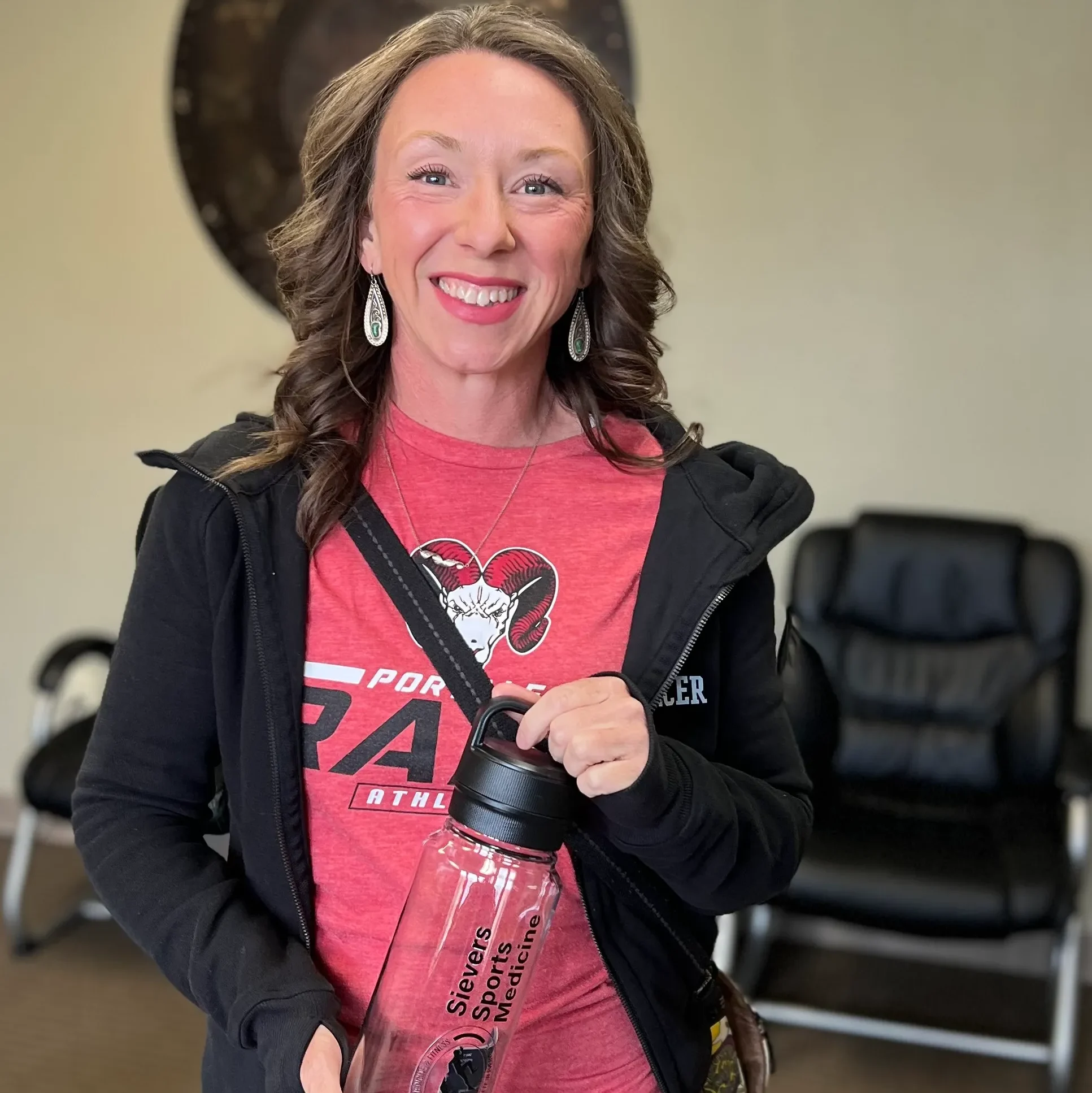
Want a free Yeti? Everyone who shares their experience in a Google review are entered to win. We draw a winner monthly.
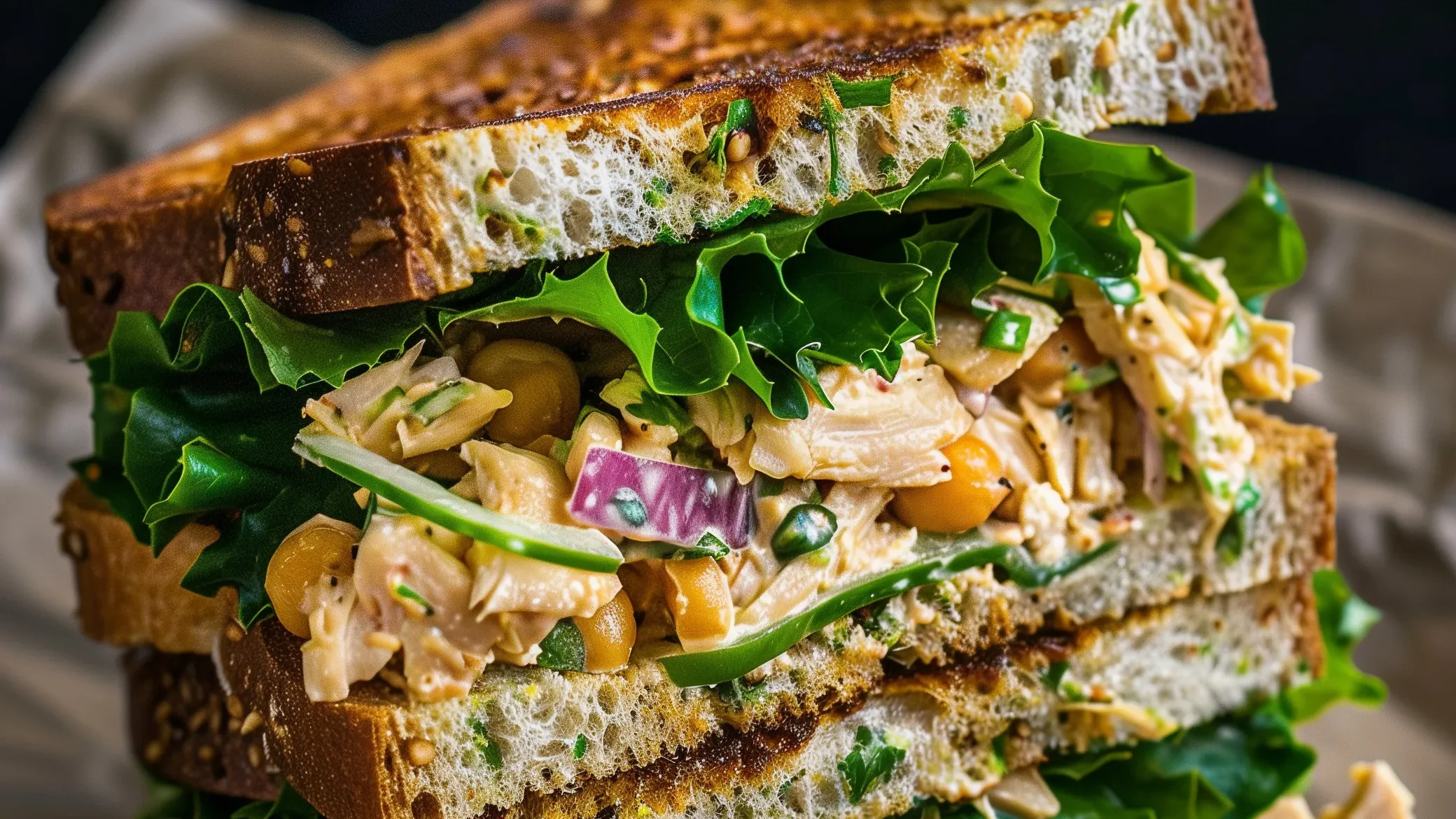
Recipe of the Month: Smashed Chickpea Salad Sandwich
Ingredients:
- 1 can chickpeas, rinsed and drained
- 1/4 c chopped Italian parsley
- 1/4 c chopped dill
- 1/2 c chopped scallions
- 2 tbsp mustard
- 2–3 tbsp mayonnaise
- Salt and pepper to taste
- Optional: 1 tbsp capers
- 4 slices whole-grain bread or everything bagels, toasted
- 1 tbsp mustard
- 2 large lettuce leaves
- 1 Turkish cucumber, sliced
- 1 carrot, thinly sliced
- 4 radishes, thinly sliced
- 1 large avocado sliced
- big handful of microgreens or sprouts
Instructions:
- Make the chickpea salad, placing all ingredients in a medium bowl, mix and smash with a fork until well combined. Taste and adjust salt and pepper to your liking. Assemble the sandwiches.
- Spread a little whole grain mustard on the bread. Top with lettuce and a generous amount of the chickpea salad. Layer sliced cucumber, carrots, radishes and avocado.
- Top with a mound of sprouts and bread. Cut in half and enjoy!
Ready to Learn More? Schedule an Appointment with Us Today!
We offer percutaneous needle tenotomy as part of our comprehensive approach to sports medicine. Our team will evaluate your symptoms and ensure you receive care that’s tailored to your activity level and goals—whether you’re a high-level athlete or just want to move without pain.
If chronic tendon pain is holding you back, PNT could be the next step toward relief. Call us to schedule a consultation and explore your options. We’re here to help you move forward with comfort and confidence.

Patient Success
“I have nothing but good experiences with Dr. Seivers. He seems to be a very kind and compassionate individual and very knowledgeable. I would highly recommend him, especially for the stem wave therapy.” – L.F.
Meet Our Team

Dr. Joel Sievers
(MD) Medical Provider

Melisa Valmoria
Physicians Assistant
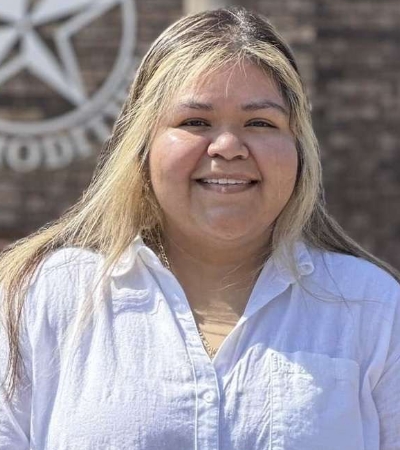
Maira Luna
Medical Assistant
Flexible Financing with CareCredit
The CareCredit health, wellness, and personal care credit card gives you a convenient, flexible way to pay for care for the whole family—including pets! With everyday promotional financing for purchases of $200 or more, you can pay over time with convenient monthly payments.
Self-Pay Options
- Payment Plans: Understanding that healthcare costs can be significant, we offer payment plans to spread the cost of treatment over time. These plans are flexible and can be tailored to suit your financial situation.
- Competitive Self-Pay Rates: We offer competitive self-pay rates for patients without insurance or those receiving treatments not covered by insurance. Please get in touch with our office for more information on our fees for various services.
Other Payment Methods
- Credit and Debit Cards: We accept all major credit and debit cards, including Visa, MasterCard, American Express, and Discover.
- Checks and Cash: Personal checks and cash payments are also accepted.
- Health Savings Account (HSA) and Flexible Spending Account (FSA): Payments can be made using funds from your HSA or FSA accounts.