

Why Recovery Is Your Competitive Advantage
At Sievers Sports Medicine, we see it all: athletes who train their hardest, only to plateau. Or worse, those who push through their fatigue only to wind up with a serious injury. We also work with athletes who regularly hit their performance goals.
The difference often comes down to an often overlooked factor: recovery.
Many athletes mistakenly see recovery as time off from training. In reality, it’s an active process that allows the body to repair, adapt, and return to the game stronger than before. When done well, it directly improves strength, speed, endurance, and injury resilience.

Understanding Recovery as an Athlete
Every time you work out, the effort puts a minor amount of stress on your body’s tissues, which is both normal and necessary. Then, when you’re at rest, your body’s natural healing abilities take over, working to restore muscle, replenish energy, and regulate stress.
This process is known as recovery, and that’s where your real progress happens–not during the workout itself.
When you go hard in your workouts but skip recovery, your body doesn’t have time to rebuild itself, meaning your muscles remain fatigued, your reaction time slows, and your performance gradually declines.
When you do make time for recovery, this is what happens:
- Muscle fibers rebuild stronger
- Energy stores are restored
- The nervous system resets for better coordination
- Inflammation is controlled
Most importantly, you’ll start to see real progress and improvements in your performance.

What Recovery Looks Like in Practice
Proper recovery includes both passive rest and active strategies that support healing and adaptation, including:
Sleep Optimization
Sleep is the foundation of recovery. Growth hormone release peaks during sleep, and deep sleep supports muscle repair and hormone balance. Most active adults need between 7 and 9 hours a night.
Load Management
Your training intensity must match your recovery capacity. Work in planned rest days and gradually increase training volume and intensity rather than jumping straight into high-level activity.
Active Recovery
Low-intensity movement during your off days improves circulation, reduces muscle soreness, and clears metabolic waste–all without adding stress to healing tissues. Schedule in time for light cycling, walking, or mobility work.
Nutrition and Hydration
Properly fueling the body supports tissue repair. Make sure you’re eating a good balance of protein (for muscle rebuilding) and carbs (to restore energy stores). And don’t forget to stay hydrated!
Soft Tissue Therapies
Several hands-on approaches address muscle tightness and movement restrictions, as well as improve blood flow. Foam rolling is a popular choice that you can do on your own.
Advanced Recovery Strategies
Some athletes benefit from targeted medical interventions, particularly if they’re struggling with stubborn pain or injuries. We might recommend regenerative medicine options, nutritional IV therapy, or other innovative techniques.

How Our Team Supports Recovery and Performance
At Sievers Sports Medicine, we recognize that recovery is a key part of performance, not an afterthought. If you’d like to take your recovery (and your performance) to the next level, we can help design a plan built around your goals, sport, and activity level.
We start with a comprehensive wellness assessment that goes beyond a typical medical examination to examine factors such as lifestyle, dietary habits, and overall physical fitness. This information helps us create the best recovery plan for your needs, including:
- Guidance on best recovery practices, such as sleep, nutrition, and activity levels
- Nutritional IV therapy that can directly target specific areas of concern
- Innovative treatment for persistent injuries, such as platelet-rich plasma therapy, percutaneous needle tenotomy, and more
As a sports medicine clinic, we offer performance-focused care that extends beyond symptom relief. Our goal is to help you understand your needs as an athlete so you can build the performance capacity you’re looking for
Take the Next Step Toward Better Performance
Recovery isn’t simply taking a break. It shapes how you move, how you perform, and how long you stay active. In short, it’s where progress happens. If you feel stuck, fatigued, or limited by pain, your recovery strategy may need attention. The team at Sievers Sports Medicine can help you build a plan that supports healing and elevates performance. Schedule an evaluation today and learn more about how you can improve your approach to recovery—and your overall performance.
Exercise Tip of the Month
Double Knees to Chest
Exercise Tracker
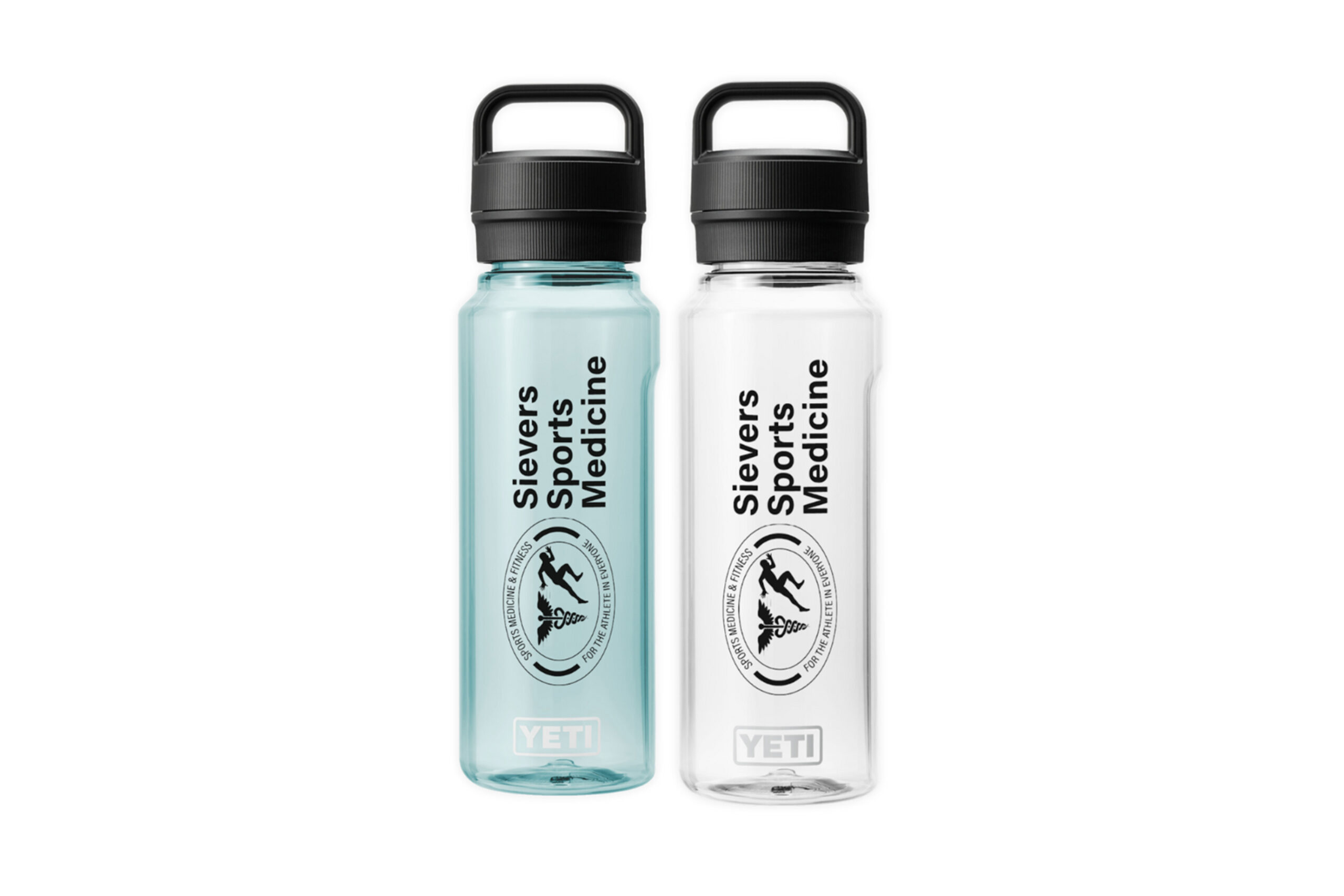
🎁 Help Us Help More People!
Want a FREE Yeti?
Everyone who shares their experience in a Google review is entered to win.
We draw a winner monthly.
💬 Success Stories
Real people. Real results. Here’s what patients are saying.
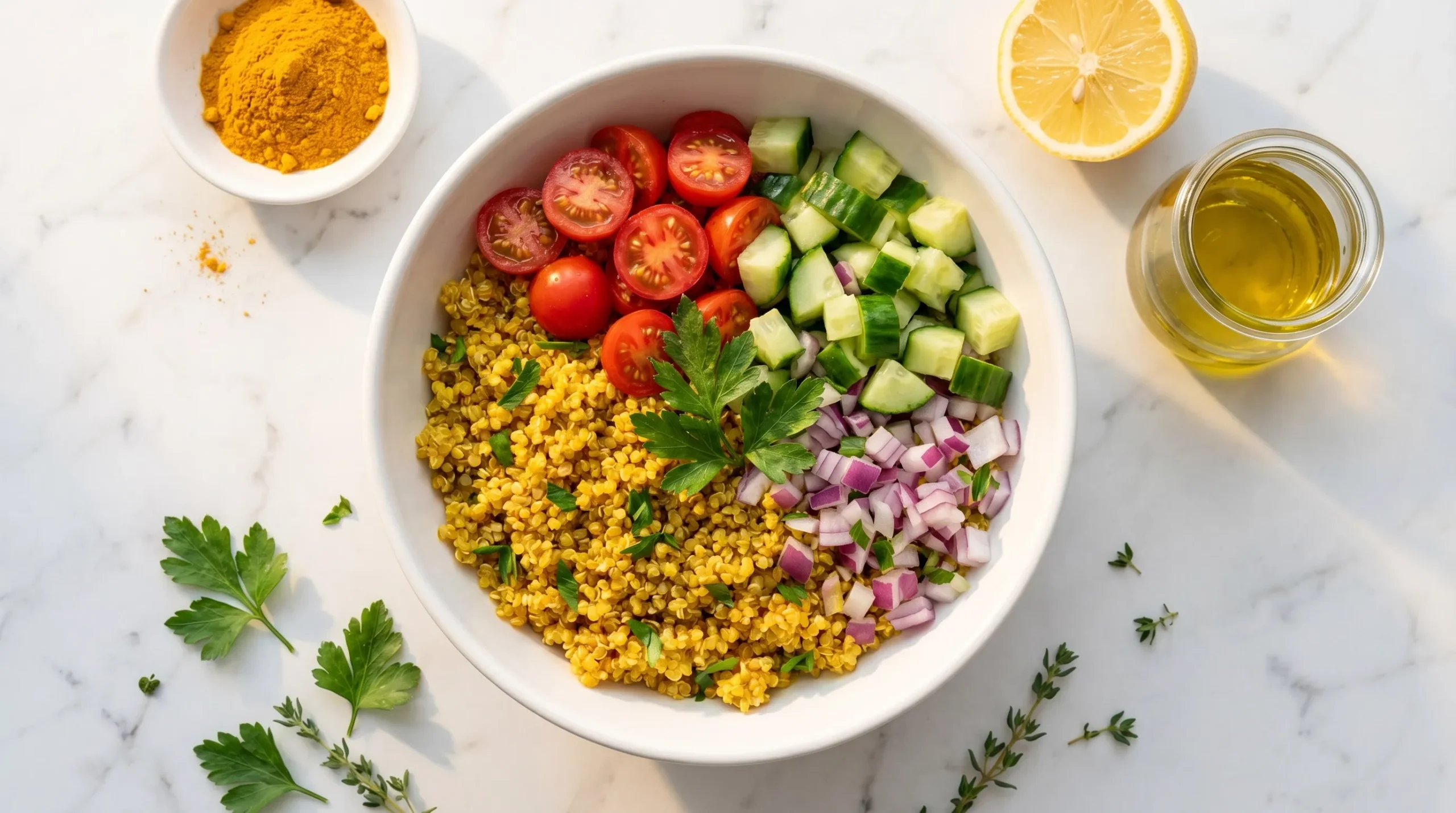
Anti-Inflammatory Quinoa Salad
Nutrition plays a key role in managinginflammation. Try this delicious recipe packed with anti-inflammatory ingredients!
Ingredients
- 1 cup dry quinoa, rinsed
- 2 cups water or vegetable broth
- 1 cup cherry tomatoes, halved
- 1 cucumber, diced
- 1/4 cup red onion, finely chopped
- 1/4 cup fresh parsley, chopped
- 1/4 cup olive oil (rich in Omega-3s )
- 2 tbsp fresh lemon juice
- 1 tsp turmeric (powerful anti-inflammatory)
- Salt and black pepper to taste
Instructions
- Bring water or broth to a boil. Add quinoa, reduce heat, cover, and simmer for 15 minutes or until water is absorbed.
- Remove from heat, let sit covered for 5 minutes. Fluff with a fork and let cool.
- In a large bowl, combine cooled quinoa, tomatoes, cucumber, red onion, and parsley.
- Whisk together olive oil, lemon juice, turmeric, salt, and pepper.
- Pour dressing over the salad, toss well, and chill for 30 minutes before serving.
💳 Flexible Financing Options
Get the care you need now—and pay in a way that works for you.
CareCredit Financing
The CareCredit credit card gives you a convenient, flexible way to pay for care for the whole family—even pets.
With promotional financing on purchases of $200 or more, you can break payments into manageable monthly amounts.
Self-Pay Options
Other Payment Methods
Cards: Visa, MasterCard, American Express, Discover
Cash & Checks: Accepted
HSA / FSA: Use your health savings or flexible spending accounts
👩⚕️ Meet Your Care Team