
Common Sports Injuries Detected During Sports Physicals
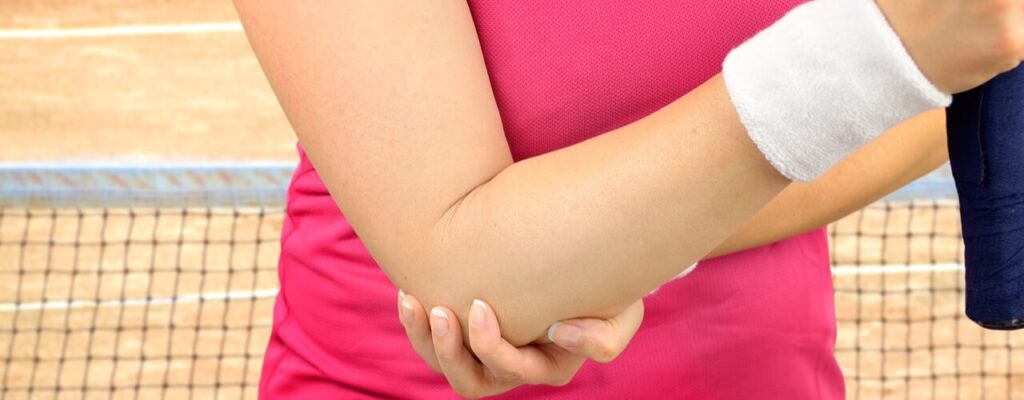
Sports Physicals Are The Secret Weapon For Detecting Sports Injuries
Sports physicals are more than a formality – they are an important part of detecting sports injuries and ensuring athletes are fit to play. Now that awareness is growing about complications with concussions and the risk of overuse injuries in sports – especially “one sport” athletes that train year-round – it’s important for athletes to take proactive steps to avoid injuries whenever possible.
In New Mexico, athletes can take this important first step for their health at Sievers Sports Medicine. Our physician recognizes the significance of understanding an athlete’s capabilities before they step onto the field. Our physicals focus on key components of sports readiness to set an accurate baseline for future treatment programs.
Keep reading to learn about sports physicals with our therapist and the direct impact they can have on athletes.
Case Study
Lisa, a lifelong athlete, played on the local competitive tennis team for years. She started to notice pain below her elbow that flared up when gripping and swinging her racket during practice and matches. After enduring the pain for six weeks, her coach referred her to our clinic for a physical. During her appointment, we assessed several aspects of her health, including:
- History and Current Condition: We discussed Lisa’s health in detail and found her to be healthy with no prior injuries to her upper extremities.
- Examination: During the hands-on examination, Lisa indicated sensitivity to touch in the area below her elbow. She also mentioned pain when gripping things like the steering wheel and hair brush.
- Range of Motion: We evaluated Lisa’s ROM and mobility to understand her current limitations.
- Strength Tests: Lisa participated in a variety of exercises and tests to determine her overall strength and functional abilities.
Our physician ordered an X-ray of Lisa’s elbow to rule out a bone or joint issue, which we were able to perform onsite. After a careful review of the findings, our physician diagnosed Lisa with tennis elbow. This condition occurs due to micro-tearing and inflammation of the tendons in the outer elbow.
Our physician prescribed an evidence-based treatment plan to aid in Lisa’s recovery and get her back to the sport she loves. The options for Lisa’s treatment plan included:
- Cortisone Injections: Reduce inflammation to alleviate pain and swelling.
- Platelet-Rich Plasma (PRP) Injection: A method that promotes healing using the patient’s own concentrated platelets.
- Percutaneous Needling: A minimally invasive procedure that stimulates healing by creating micro-traumas in the injured area.
Following our physician’s recommendations, which also included a recommendation to a rehabilitation program, Lisa made a full recovery. She returned to tennis with the confidence and tools she needed to prevent further injury.
While Lisa’s story ended in success, she may have been able to avoid this injury altogether with a sports physical at Sievers Sports Medicine before the pain began.
Detecting Sports Injuries With Sports Physicals
Sports physicals are mandatory for anyone participating in, or preparing to participate in, athletics. Our physician’s expertise in sports medicine is particularly helpful for athletes with a history of injuries because it allows for tailored treatments that align with their level of physical activity. Additionally, sports physicals play a crucial role in providing insights into your current health status and medical history, laying the groundwork for personalized and informed treatment plans.
Common injuries that can be detected with a physical include:
- Sprains and Strains: We identify the likelihood that these injuries could impact your performance by assessing the integrity of your ligaments and muscles. We educate patients on preventative measures and targeted exercises to strengthen vulnerable areas.
- Fractures and Stress Fractures: We utilize various diagnostic imaging tools for timely detection and prompt treatment to reduce the risk of complications.
- Concussions: Our neurological assessments are designed to detect signs of concussion, enabling us to implement protocols for your safety and long-term cognitive health.
- Overuse Injuries: The repetitive motions required to practice sports can lead to overuse injuries like tendonitis. We focus on the wear and tear on joints and soft tissues and provide guidance on training modifications to prevent chronic issues.
A sports physical at Sievers Sports Medicine can help you avoid setbacks, recover from injuries, and play with confidence. Call us today to stay ahead of the game.