


Preventing and Managing Overuse Sports Injuries
With the spring sports season kicking into gear, the team at Sievers Sports Medicine wants to highlight an often overlooked risk to athletes: overuse injuries.
When you bring up sports injuries, most people think of acute injuries like concussions or broken bones. However, overuse injuries are much more prevalent–and much more likely to go unaddressed. They develop gradually over time, usually due to repetitive movements. If left untreated, they can worsen or increase your risk of more significant injury.
While any athlete is at risk of an overuse injury, they’re particularly common in baseball and softball players and athletes who compete all year round. Today, we want to explore overuse injuries in more detail, plus share how Sievers Sports Medicine can help you address and prevent them.
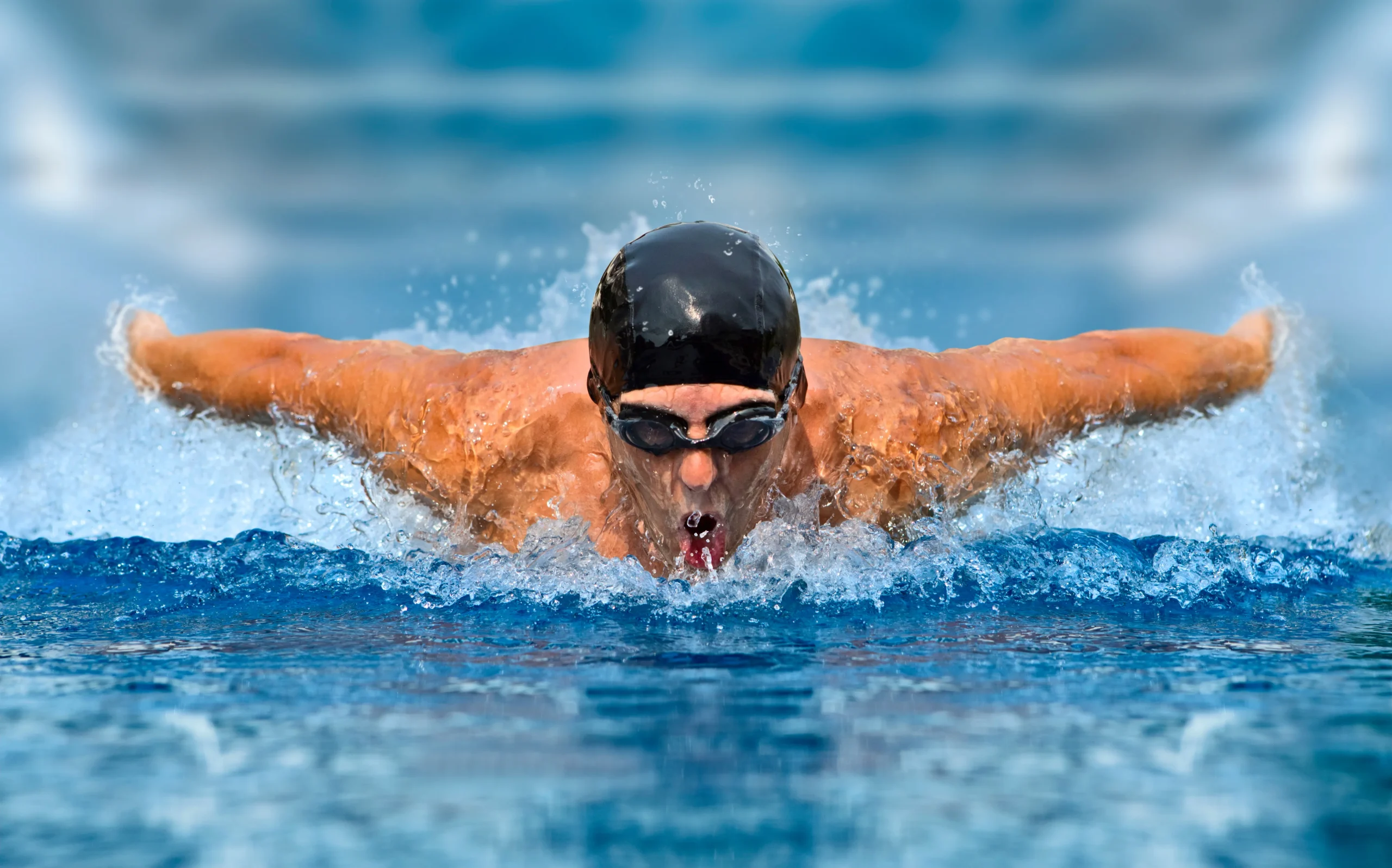
Understanding Overuse Injuries in Athletes
Sports like baseball and softball require several repetitive movements, including throwing, swinging, and sprinting. These movements can significantly stress your musculoskeletal system, especially when paired with improper biomechanics or awkward postures. It’s important to familiarize yourself with common overuse injuries so you can seek treatment as soon as you notice symptoms. Most overuse injuries cause pain or restricted mobility in the affected area. Generally, you’ll only notice it during activity at first. But as the condition worsens, you may experience symptoms at rest, too.
Common Overuse Injuries to Watch Out For
Rotator Cuff Tendinitis
Inflammation of the shoulder tendons due to repetitive overhead motions (like pitching a baseball)
Ulnar Collateral Ligament (UCL) Injuries
Damage to the elbow ligament, often from excessive throwing motions
Tennis Elbow
Pain in the outer elbow, often caused by gripping or swinging motions
Patellar Tendinitis
Pain in the front of the knee, often caused by repetitive running and jumping
Powerful Acoustic Waves to Relieve Aches and Pains
StemWave is a regenerative medicine technique that utilizes harmless, yet powerful acoustic waves to activate your body’s natural healing mechanisms.
This new technology is designed to help patients with musculoskeletal conditions by increasing blood flow and reducing inflammation. As a safe non-invasive option, it doesn’t require any downtime and has minimal or no side effects.
- FDA listed
- Safe & effective
- Fast & efficient treatments
- Affordable treatment option
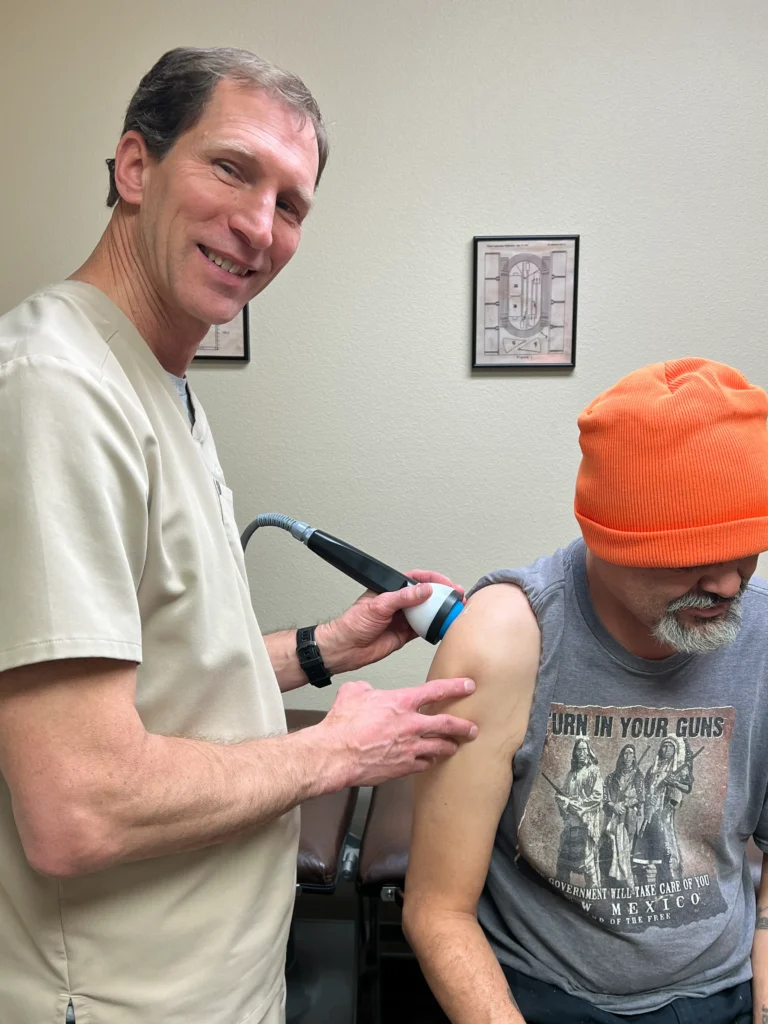
Tips for Preventing Overuse Injuries
We recommend that all athletes work to prevent overuse injuries before they can happen. Several simple tips can help you be proactive, such as the following:
Don’t skip cross-training
Cross-training ensures you build strength and mobility throughout your body so you don’t overstrain one particular area. Incorporate strength and mobility training into your routine to enhance overall movement efficiency.
Don’t forget to rest, either.
Scheduled downtime allows your tissues to heal, which is especially important for athletes who play all year round.
Avoid sudden spikes in activity.
If you only play one sport a year, it’s also important to gradually increase the intensity of your workload. Don’t dive into full training if you haven’t been active for the last few months!
Use good technique.
Work with a coach, trainer, or physical therapist to refine your body mechanics to reduce unnecessary strain on vulnerable areas. We can refer you to a specialist if needed.
Treating Overuse Injuries with Regenerative Medicine
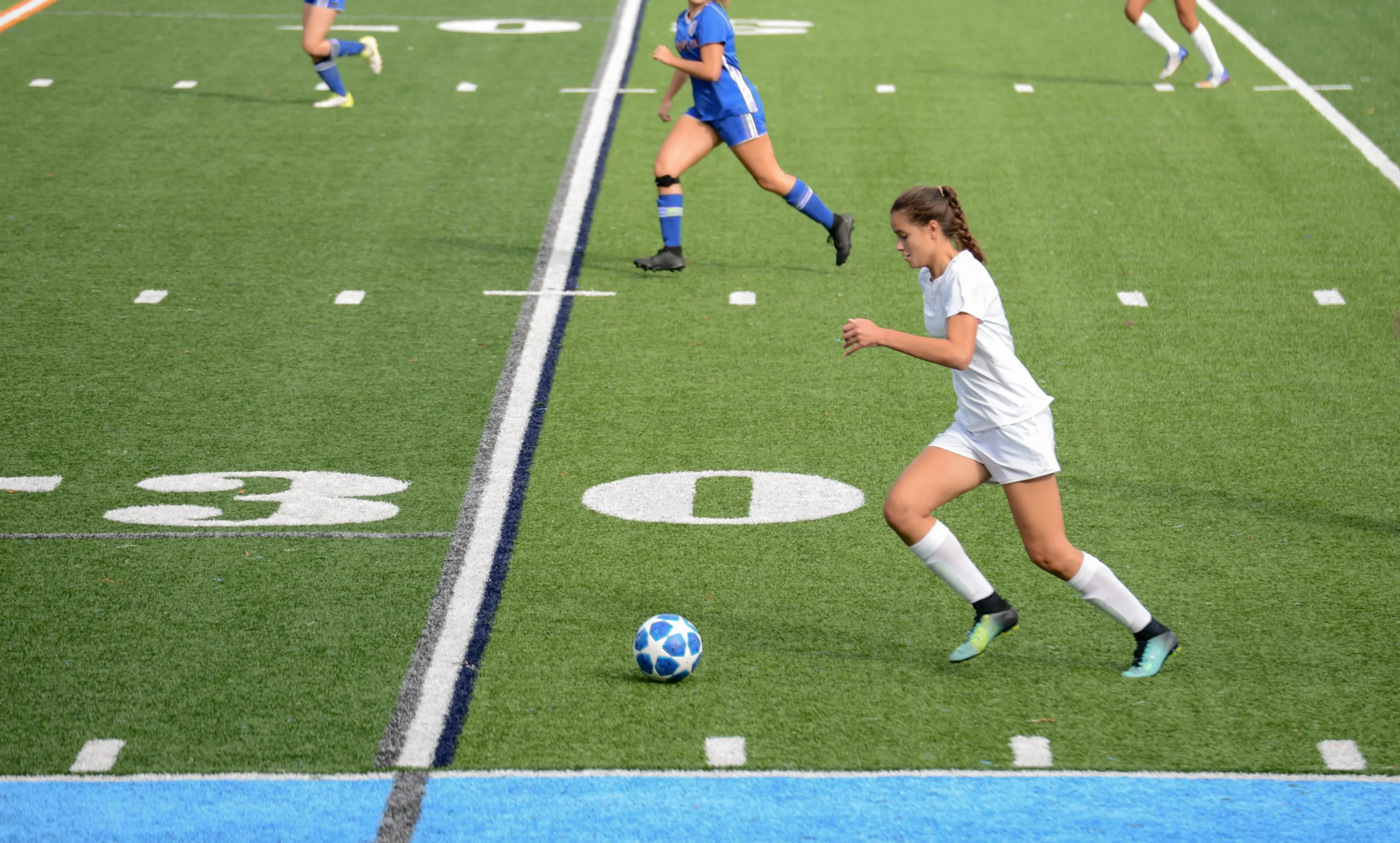
As a sports medicine clinic, we regularly treat athletes who have developed overuse injuries. The process starts with a comprehensive assessment, which allows us to diagnose the specific injury and develop a customized care plan to manage pain and inflammation. If necessary, we can refer you to a specialist.
If you have a severe overuse injury, you might think surgery is your only option for a full recovery. However, this isn’t necessarily true! We offer a couple of regenerative medicine techniques that provide a much less invasive approach to managing overuse sports injuries.
Percutaneous Needle Tenotomy (PNT)
PNT helps break down scar tissue and stimulate healing in injured tendons. It involves using a fine needle to create controlled micro-injuries, prompting the body to initiate a natural repair process.
What Can It Treat?
- Tendinitis in the elbow, shoulder, or knee
- Chronic muscle stiffness and pain
- Ligament injuries
Platelet-Rich Plasma (PRP) Therapy
PRP injections harness the body’s natural healing properties. We’ll draw a small sample of your blood and process it to concentrate its platelets, which contain growth factors that accelerate tissue repair. We then inject this platelet-rich plasma back into the injury site.
What Can It Treat?
- Soft tissue injuries (such as tennis elbow or rotator cuff tendinitis)
- Partial ligament tears
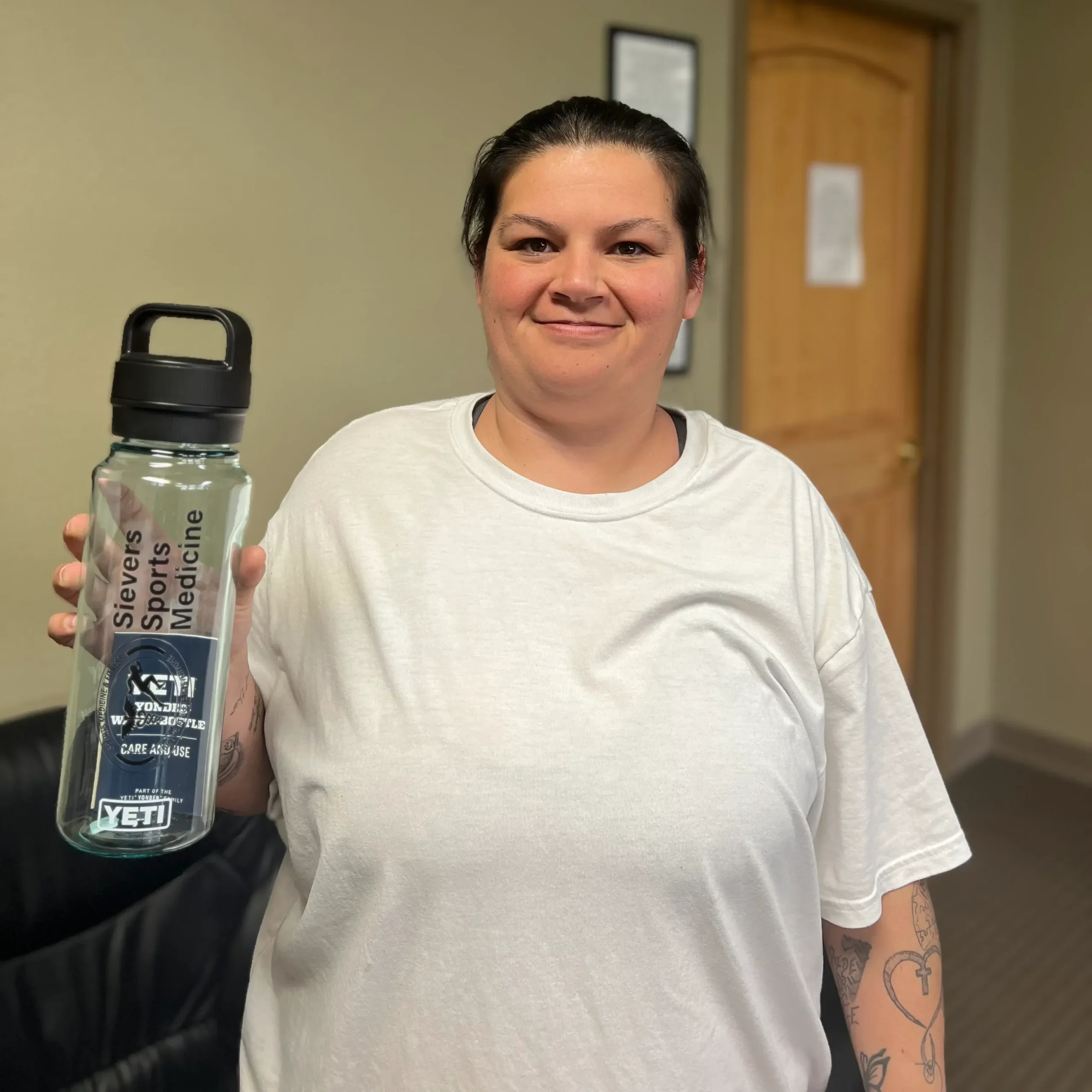
Last Month’s Yeti Winner!
Help Us Help More People!
Want a free Yeti? Everyone who shares their experience in a Google review entered to win. We draw a winner monthly.
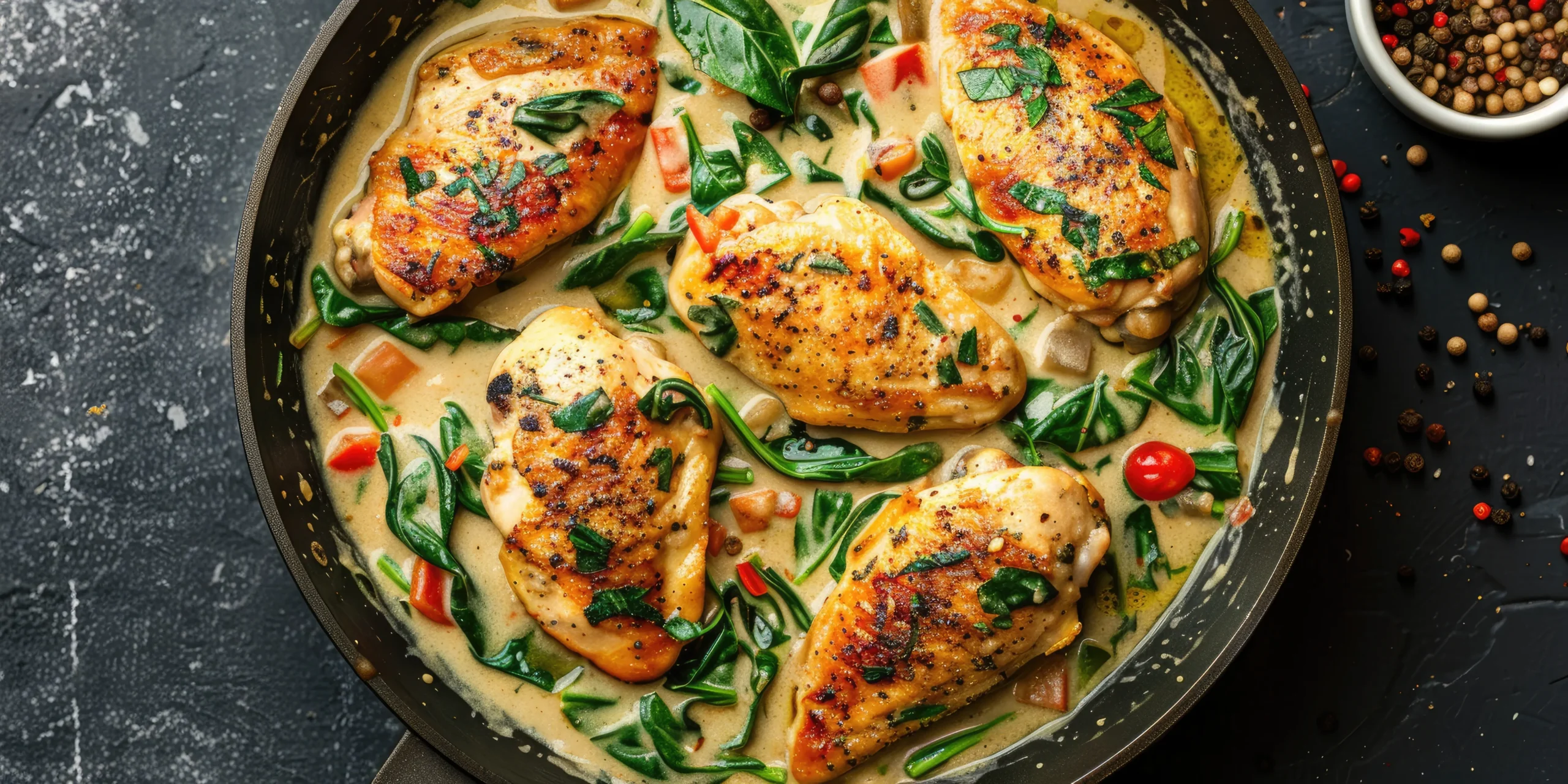
Recipe of the Month: One-Pan Tuscan Chicken
Ingredients:
- 1 small yellow onion
- 3 cloves garlic
- 1/2 c drained oil-packed sun-dried tomatoes
- 2 large boneless, skinless chicken breasts
- 1 oz Parmesan cheese
- 1 1/2 tsp kosher salt
- 1/2 tsp freshly ground black pepper
- 2 to 3 tbsp olive oil
- 2 tsp dried Italian seasoning
- 5 oz baby spinach
- 1 1/4 c heavy cream
Directions:
- Dice 1 small yellow onion and mince 3 garlic cloves. Slice 1/2 cup sun-dried tomatoes and grate 1 oz Parmesan (or use 1/3 cup pre-grated).
- Cut 2 chicken breasts in half horizontally, pat dry, and season with 1 tsp salt and 1/2 tsp pepper.
- Heat 1 tbsp olive oil in a skillet over medium-high. Sear half the chicken for 3-5 min per side, then transfer to a plate. Repeat with remaining chicken.
- Reduce heat to medium, add another tbsp olive oil, and cook the onion until softened, 2-3 min. Add garlic, sun-dried tomatoes, and 2 tsp Italian seasoning. Cook for 30 sec-1 min.
- Add 5 oz spinach, cooking until wilted, 1-2 min. Stir in Parmesan, 1 1/4 cup heavy cream, and 1/2 tsp salt.
- Simmer, scraping up browned bits. Return chicken to the pan and cook until it reaches 165ºF, 4-7 min.
Prioritizing Your Long-Term Health
Preventing and recovering from overuse injuries requires a commitment to smart training, early intervention, and evidence-based treatments. If you suspect you’ve developed an overuse injury, schedule an appointment at Sievers Sports Medicine. We’ll get you started with a customized treatment program that suits your unique needs.
Our Patients Are Seeing Great Results
Meet Our Team

Dr. Joel Sievers
(MD) Medical Provider

Melisa Valmoria
Physicians Assistant
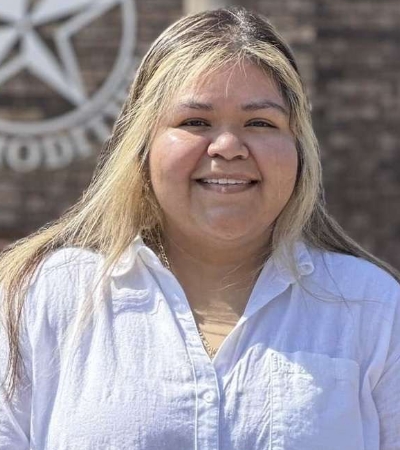
Maira Luna
Medical Assistant
Flexible Financing with CareCredit
The CareCredit health, wellness, and personal care credit card gives you a convenient, flexible way to pay for care for the whole family—including pets! With everyday promotional financing for purchases of $200 or more, you can pay over time with convenient monthly payments.
Self-Pay Options
- Payment Plans: Understanding that healthcare costs can be significant, we offer payment plans to spread the cost of treatment over time. These plans are flexible and can be tailored to suit your financial situation.
- Competitive Self-Pay Rates: We offer competitive self-pay rates for patients without insurance or those receiving treatments not covered by insurance. Please get in touch with our office for more information on our fees for various services.
Other Payment Methods
- Credit and Debit Cards: We accept all major credit and debit cards, including Visa, MasterCard, American Express, and Discover.
- Checks and Cash: Personal checks and cash payments are also accepted.
- Health Savings Account (HSA) and Flexible Spending Account (FSA): Payments can be made using funds from your HSA or FSA accounts.