Navigating the Road to Recovery: Combining PRP, Stem Cell Therapy, and Sports Medicine
Jake was a high school soccer player with everything going for him: he was starting varsity and already had several scholarship offers at colleges around the country. But then the unthinkable happened. Jake suffered a partial ACL tear. But by combining PRP and stem cell therapies with other sports medicine techniques, Jake could pick up where he left off more quickly than he might have otherwise.
No athlete wants to suffer a joint injury. Many require surgery (and subsequent rehabilitation) to heal fully. Even if the injury doesn’t necessitate surgery, recovery can still take some time–during which you cannot train for your chosen sport.
However, new advancements in regenerative medicine have added a new tool to sports medicine’s arsenal. Platelet-rich plasma (PRP) and stem cell therapy both use cells from your body to facilitate the healing process by jumpstarting your body’s natural ability to repair itself.
At Sievers Sports Medicine, we combine PRP and stem cell therapies as part of our approach to evidence-based sports medicine. Through regenerative therapies, tailored rehabilitation exercises, and more, we’ll help you heal from various soft tissue and joint issues.
Want to learn more? Keep reading for an overview. You can also contact our Portales clinic to see how PRP and stem cell therapies might benefit you.
Combining PRP and Stem Cells: How Do These Therapies Work?
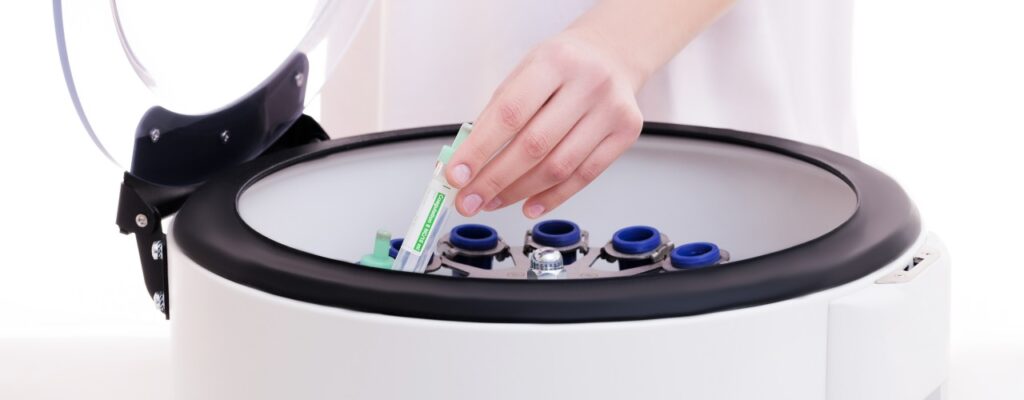
PRP therapy uses your own blood as the basis for your treatment. After drawing your blood, we process it to form a concentration of platelets–the blood cells responsible for bringing the components necessary for increased blood supply and healing of the injured tissues. We then inject this platelet-rich concentration directly into the injured area. The result? Shorter healing times and decreased pain.
Stem cell therapy works similarly but uses your body’s stem cells to form the injection.
Think of your stem cells as your body’s raw material–all of the specialized cells in your body come from stem cells first. For this reason, stem cells have some unique properties, including the ability to self-renew, something other types of cells (your muscle cells, blood cells, etc.) can not do.
Stem cell therapy harnesses this ability by carefully injecting stem cells harvested from elsewhere in your body (such as bone marrow or adipose) into the injured area. There, they can work to repair the damaged tissue, reduce inflammation, and facilitate the healing process.
As you can see, both therapies use targeted injections as their delivery system, making these therapies minimally invasive–especially when compared to surgery!
What Types of Sports Injuries Benefit from Regenerative Therapies?
PRP and stem cell therapies are both excellent options for addressing common sports injuries. These treatments work to repair damage in the muscles, tendons, ligaments, cartilage, and joints. We might use PRP and/or stem cell therapy for the following injuries:
- Rotator cuff tears
- ACL or other ligament tears
- Achilles tendonitis
- Joint sprains
- Muscle strains
Many of these injuries can completely debilitate athletes, given their long recovery time. The beauty of regenerative therapies is that, because they promote healing, you’ll spend less time in recovery–which means you’ll also spend less time sitting on the sidelines.
In addition to faster healing time, these therapies can help manage pain and reduce inflammation. In fact, they have applications beyond sports medicine and can relieve various degenerative conditions such as osteoarthritis.
What Can I Expect During My Treatment?
We’ll always begin with a comprehensive evaluation to help us diagnose and understand your injury. We’ll look at your health history, what you were doing when you suffered the injury, and your specific symptoms, plus review any diagnostic images (such as X-rays).
From there, we’ll develop a customized treatment plan. Keep in mind that we won’t typically prescribe PRP or stem cell therapy by themselves. Instead, we’ll use them in conjunction with other treatments, such as the following:
- Bracing, Casting, and Splinting: Some injuries (such as bone fractures) will require a cast while the bone repairs itself. Others may benefit from temporary braces or splints that briefly immobilize and protect the affected joint.
- Early Mobilization: When it comes to most sports injuries, prolonged rest can actually do more harm than good. We can recommend simple mobilization exercises to help improve your range of motion and reduce pain.
- Strengthening Exercises: As your injury heals, we can recommend exercises to begin restoring strength to the area around your injury, which will help you more quickly restore functionality (and more quickly return to your sport).
- Injury Prevention Strategies: Finally, we’ll provide you with the information you need to avoid a future injury, including movement modification, cross-training to address muscular imbalances, and more.
By combining PRP and stem cell therapies’ regeneration and pain-relieving abilities with these proven treatments, we’ll have you back in the game in no time!
Is Combining PRP and Stem Cell Therapies Right For You?
Are you a Portales-area athlete who’s recently suffered an injury? PRP and/or stem cell therapy might be the thing you need to jumpstart your recovery. The sports medicine specialists at Sievers Sports Medicine can let you know for sure. Request your appointment today!
Sources:
https://stemcells.nih.gov/info/basics https://www.ncbi.nlm.nih.gov/pmc/articles/PMC8046674/